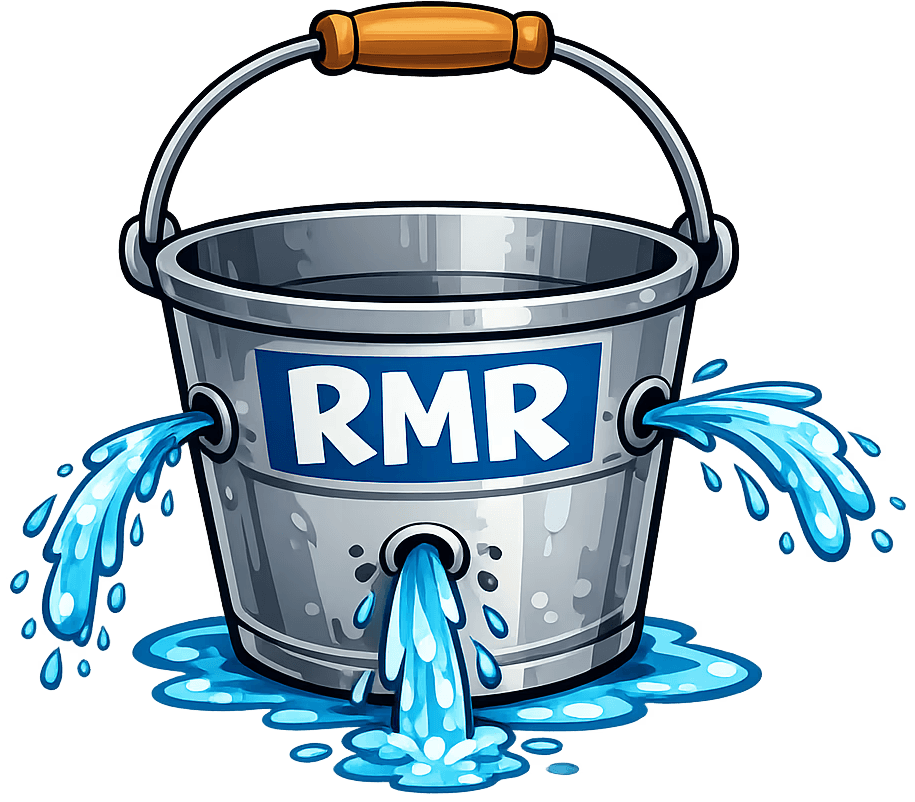
Security integrators are losing 2-11% of annual profits to three operational gaps in RMR management: delayed pricing updates, unbilled services, and zombie subscriptions (services still running after customers cancel). Research shows 42% of companies experience revenue leakage costing 3-7% of top-line revenue. The gap between integrators capturing healthy 38.5% margins and those leaving money on the table comes down to infrastructure: automated systems that track pricing, prevent billing errors, and kill forgotten subscriptions.
Security integrators building recurring revenue streams often discover that operational complexity scales faster than the revenue itself. According to NAW and SAP research, the average B2B distributor loses 2.0% to 11.7% of profit annually due to pricing misalignment. MGI Research found that 42% of companies experience some form of revenue leakage, typically costing between 3% and 7% of top-line revenue. For a security integrator with $5 million in recurring revenue, that represents $150,000-$550,000 in unrealized margin, not from failed sales or customer churn, but from operational gaps in how RMR gets managed.
SSI's 2023 Recurring Revenue Deep Dive shows RMR margins reached 38.5%, up from 31.4% in 2022. Yet many integrators struggle to capture these margins because three common operational gaps are working against them.
#1: Delayed Pricing Updates
When a VSaaS vendor increases per-camera fees by 8% but customer invoices remain unchanged, the integrator absorbs the cost difference. When an access control platform adjusts its pricing structure and those changes aren't reflected downstream, margins compress month after month until someone notices.
McKinsey documented this pattern: "One manufacturer in the consumer-goods space learned after the fact that its core component costs had risen 12 percent over 14 months. The company took more than a year to notice the increase because it bundled input costs with other manufacturing expenses."
The same dynamic affects integrators reselling cloud services. Vendor price updates arrive via email, get noted internally, and sometimes never make it to customer contracts. Meanwhile, each billing cycle locks in a thinner margin.
The impact is significant: McKinsey found that a 1% price increase typically generates an operating profit uplift of 6 to 14%.
The inverse is equally true: every 1% of pricing you don't capture represents a 6-14% margin reduction.
#2: Unbilled Services
The second challenge is straightforward but costly: services are active, vendors are billing you, but customer invoices are missing, delayed, or incomplete. Sometimes it simply falls through the cracks.
The root cause is structural: billing systems built for one-time project invoices struggle with recurring subscriptions. When you're manually transferring subscription data from vendor portals to your invoicing system each month, errors compound.
For integrators managing dozens of customers across multiple vendors, each with different billing cycles, pricing structures, and service tiers, the risk isn't occasional mistakes.
It's systematic gaps that persist month after month until someone manually catches them.
#3: Zombie Subscriptions
The third operational gap: services that continue running, and billing, after the customer cancels, the site closes, or the system gets replaced. These "zombie subscriptions" persist because most vendors bill monthly or annually with auto-renewal, and cancellations require manual action.
Common scenarios include: customers who cancel service but the vendor cancellation never processes, sites that close while the 50 camera licenses keep billing, or systems that get replaced during refresh projects without notifying the old vendor. These aren't dramatic failures, they're administrative gaps that cost $500 here, $2,000 there. But they compound month after month.
The Industry Consensus: Infrastructure Over Effort
The security channel increasingly recognizes that integrators need purpose-built systems for recurring revenue management. Manual processes that worked for project-based business don't scale effectively for subscription management.
Chris Davis from Star Asset Security told Security Info Watch: "As you grow, you have to add additional resources, processes and tools to pull everything together. We use eight tools to serve our managed services customers and to centralize management of their systems. Automation is one of the most important tools to implement because it is cheaper than dedicated services and ultimately is a time and cost-saver."
Moving Forward: Closing the Operational Gaps
The RMR opportunity in security is substantial. SSI's 2023 research showed 40% of total revenue was recurring among responding dealers and integrators, with healthy 38.5% gross margins. Competition in the space has intensified, with manufacturers building direct relationships, MSPs entering physical security, and other integrators refining their operational models.
The difference between integrators capturing full RMR margins and those leaving money on the table often comes down to infrastructure. Integrators who've built systems to track pricing updates, automate customer billing, and manage subscription lifecycles are realizing those 38.5% margins.
Those still managing RMR manually face an uphill battle.
With the right infrastructure, integrators can close these operational gaps and turn recurring revenue into predictable, high-margin cash flow, without adding headcount or spending weekends on spreadsheet reconciliation.
Ready to see how Sharlic can help? Visit sharlic.com and book a demo to learn how we automate RMR management for security integrators.
Security integrators are losing 2-11% of annual profits to three operational gaps in RMR management: delayed pricing updates, unbilled services, and zombie subscriptions (services still running after customers cancel). Research shows 42% of companies experience revenue leakage costing 3-7% of top-line revenue. The gap between integrators capturing healthy 38.5% margins and those leaving money on the table comes down to infrastructure: automated systems that track pricing, prevent billing errors, and kill forgotten subscriptions.
Security integrators building recurring revenue streams often discover that operational complexity scales faster than the revenue itself. According to NAW and SAP research, the average B2B distributor loses 2.0% to 11.7% of profit annually due to pricing misalignment. MGI Research found that 42% of companies experience some form of revenue leakage, typically costing between 3% and 7% of top-line revenue. For a security integrator with $5 million in recurring revenue, that represents $150,000-$550,000 in unrealized margin, not from failed sales or customer churn, but from operational gaps in how RMR gets managed.
SSI's 2023 Recurring Revenue Deep Dive shows RMR margins reached 38.5%, up from 31.4% in 2022. Yet many integrators struggle to capture these margins because three common operational gaps are working against them.
#1: Delayed Pricing Updates
When a VSaaS vendor increases per-camera fees by 8% but customer invoices remain unchanged, the integrator absorbs the cost difference. When an access control platform adjusts its pricing structure and those changes aren't reflected downstream, margins compress month after month until someone notices.
McKinsey documented this pattern: "One manufacturer in the consumer-goods space learned after the fact that its core component costs had risen 12 percent over 14 months. The company took more than a year to notice the increase because it bundled input costs with other manufacturing expenses."
The same dynamic affects integrators reselling cloud services. Vendor price updates arrive via email, get noted internally, and sometimes never make it to customer contracts. Meanwhile, each billing cycle locks in a thinner margin.
The impact is significant: McKinsey found that a 1% price increase typically generates an operating profit uplift of 6 to 14%.
The inverse is equally true: every 1% of pricing you don't capture represents a 6-14% margin reduction.
#2: Unbilled Services
The second challenge is straightforward but costly: services are active, vendors are billing you, but customer invoices are missing, delayed, or incomplete. Sometimes it simply falls through the cracks.
The root cause is structural: billing systems built for one-time project invoices struggle with recurring subscriptions. When you're manually transferring subscription data from vendor portals to your invoicing system each month, errors compound.
For integrators managing dozens of customers across multiple vendors, each with different billing cycles, pricing structures, and service tiers, the risk isn't occasional mistakes.
It's systematic gaps that persist month after month until someone manually catches them.
#3: Zombie Subscriptions
The third operational gap: services that continue running, and billing, after the customer cancels, the site closes, or the system gets replaced. These "zombie subscriptions" persist because most vendors bill monthly or annually with auto-renewal, and cancellations require manual action.
Common scenarios include: customers who cancel service but the vendor cancellation never processes, sites that close while the 50 camera licenses keep billing, or systems that get replaced during refresh projects without notifying the old vendor. These aren't dramatic failures, they're administrative gaps that cost $500 here, $2,000 there. But they compound month after month.
The Industry Consensus: Infrastructure Over Effort
The security channel increasingly recognizes that integrators need purpose-built systems for recurring revenue management. Manual processes that worked for project-based business don't scale effectively for subscription management.
Chris Davis from Star Asset Security told Security Info Watch: "As you grow, you have to add additional resources, processes and tools to pull everything together. We use eight tools to serve our managed services customers and to centralize management of their systems. Automation is one of the most important tools to implement because it is cheaper than dedicated services and ultimately is a time and cost-saver."
Moving Forward: Closing the Operational Gaps
The RMR opportunity in security is substantial. SSI's 2023 research showed 40% of total revenue was recurring among responding dealers and integrators, with healthy 38.5% gross margins. Competition in the space has intensified, with manufacturers building direct relationships, MSPs entering physical security, and other integrators refining their operational models.
The difference between integrators capturing full RMR margins and those leaving money on the table often comes down to infrastructure. Integrators who've built systems to track pricing updates, automate customer billing, and manage subscription lifecycles are realizing those 38.5% margins.
Those still managing RMR manually face an uphill battle.
With the right infrastructure, integrators can close these operational gaps and turn recurring revenue into predictable, high-margin cash flow, without adding headcount or spending weekends on spreadsheet reconciliation.
Ready to see how Sharlic can help? Visit sharlic.com and book a demo to learn how we automate RMR management for security integrators.
Subscribe to our newsletter
Subscribe to our newsletter
Subscribe to our newsletter